A Red Worm Design for Earth-Friendly Embroidery Products
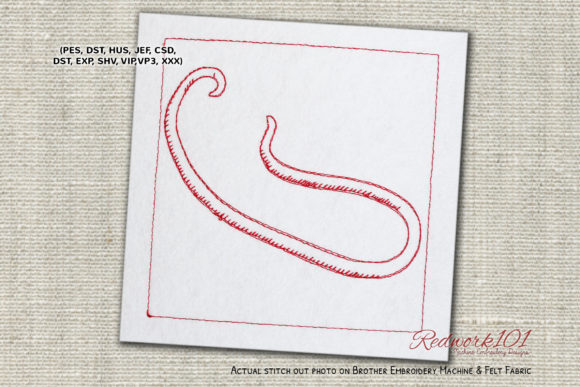
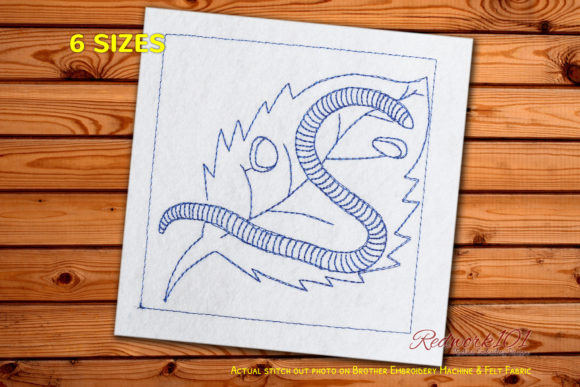
As an embroidery designer preparing for a busy craft fair season, I constantly review new designs with a practical eye. The success of a design isn’t just about how it looks on screen—it’s about how it stitches out, how it feels in person, and most importantly, how it sells on the products I create. Today, I’m taking a close look at Composting Red Worm Lineart, a design that immediately speaks to a growing market: the eco-conscious, gardening, and homesteading community.
First Impressions and Market Fit
At first glance, Composting Red Worm Lineart lands squarely in the rustic, modern, and educational categories. It’s not overly cute or cartoonish; it has a clean, illustrative feel that conveys a specific topic. This is a huge advantage at a handmade market. Customers drawn to gardening, sustainability, or farmhouse aesthetics will recognize and appreciate the subject matter instantly. It’s a niche design, but in a popular niche. For a booth filled with kitchen linens, bags, and home goods, this design adds a layer of personality and purpose beyond simple decoration.
The description mentions an optional box stitch, which is a smart production note. As a seller, I love flexibility. This means I can decide if the worm needs a border to stand out on certain fabrics or if the lineart alone is strong enough. Since the outer box color is often different, I can skip it to simplify my thread changes and stitch time, which is crucial for batch production. This design feels like it respects the maker’s time.
Product Performance: Where This Worm Will Shine
Let’s walk through the typical craft fair table and imagine where Composting Red Worm Lineart would perform best.
Tote Bags and Market Bags
This is a top contender. A simple, clean worm illustration on a natural canvas or linen tote bag feels authentic and useful. It’s not a loud design; it’s a quiet statement piece. The lineart style should stitch cleanly on these often textured fabrics, provided a good stabilizer is used. It works as a medium-sized focal point, not too small to lose detail, not too large to overwhelm the bag.
Aprons and Kitchen Towels
For apron embroidery, this design is perfect for a smaller accent placement—perhaps on a pocket or the lower corner. On tea towels, it’s a winner. The rustic, educational vibe fits the kitchen perfectly. A red worm on a crisp white or off-white towel immediately tells a story of homemade compost and garden fresh produce. It photographs beautifully for online listings like Etsy, where clear, thematic products stand out.
Patches, Caps, and Small Pouches
As an embroidered patch, this design has potential, but careful testing is needed. The lineart nature means there may not be dense fill areas, which is good for patch stiffness, but tiny details in the worm’s segments could lose clarity if stitched too small. I would absolutely test on scrap fabric first at the intended patch size. On caps, the curved surface is tricky; simpler lineart can sometimes pucker less than dense fills, but again, size is key. For small fabric pouches or pencil cases, it makes a charming, giftable handmade item.
Pillow Covers and Home Decor
For a pillow cover in a farmhouse-style booth, this design could be a delightful surprise. It’s more minimal and modern than typical floral motifs, offering variety in my display. A customer looking for a unique gift for a gardener would be drawn to it immediately.
Practical Production and Selling Points
Turning a digital embroidery file into a successful craft fair product requires thinking ahead.
Understanding at a Glance
Composting Red Worm Lineart scores high here. The subject is unmistakable. In a busy market, customers process visuals quickly. A worm is recognizable and its connection to composting is logical. This reduces the need for explanation and helps the product sell itself.
Photography and Online Sales
For my Etsy shop and printable mockups, this design will look clean and professional. The single-color (likely red) lineart against a neutral fabric creates high contrast, which is excellent for product photos. It feels repeatable for batch production because the design isn’t overly complex; stitching out multiple towels or bags with the same simple motif is efficient.
Critical Use Notes for Embroidery Designers
- Test on scrap fabric that matches your final product fabric, especially textured towels or thick canvas.
- Check thread contrast. A vibrant red on dark fabric may not pop; consider offering it only on light backgrounds for clarity.
- Review the spacing and detail level. If the worm design has very small, tight curves, it might require adjusting stitch settings or hoop size to prevent thread breaks or distortion.
- Inspect the stitch density. Lineart can sometimes be stitched with running stitches or a thinner satin stitch. Confirm the file’s intent to ensure it looks solid enough on the final product.
- Always create at least one real mockup before batch production. See how it feels in your hands. Does it look handmade and premium, or cheap and sparse?
- Confirm commercial licensing for the embroidery file before selling any finished products. This is a non-negotiable step for any small shop product.
Impact on Booth Display and Customer Engagement
When I layout my booth, I group products by theme. Composting Red Worm Lineart would naturally belong in a “Garden & Home” section alongside herb designs, vegetable motifs, and rustic kitchenware. This creates a cohesive story and strengthens the booth’s appeal. The design adds visual appeal through its specificity—it’s not generic. This can increase perceived product value because it feels thoughtful and designed for a particular customer.
It encourages buyer engagement. A customer might point at it and say, “My daughter loves composting!” or “Perfect for my garden club friend!”. It starts a conversation. That connection is the gold of handmade markets. For brand consistency, if your shop focuses on eco-friendly, educational, or farmhouse styles, this design fits seamlessly and expands your catalog.
Final Designer Advice for Craft Fair Success
Composting Red Worm Lineart is a promising design for the right maker. Its strength is its clear theme and clean execution. To maximize its potential:
- Focus on products where its theme resonates most: tea towel embroidery, tote bags, and aprons.
- Keep production simple. Skipping the optional box stitch might lead to a cleaner, faster stitch-out, perfect for a busy fair weekend.
- Display it thoughtfully. Pair the embroidered products with other garden-themed items to create a mini-collection on your table.
- Talk about it. Be ready to share why you chose this design—your passion for sustainable themes will translate to the customer.
Embroidery is about bringing a digital file into the tactile world. This design, with its straightforward red worm lineart, has a solid chance to stitch out beautifully, catch a customer’s eye, and find a home in someone’s garden-centric life. That’s a successful craft fair product.