Tea Pot Made by Alphabet Applique: A Craft Fair Review
Stepping into a busy craft fair weekend means every single stitch on my booth table needs to pull its weight. I’ve spent the last week auditioning new machine embroidery design files, and Tea Pot Made by Alphabet Applique stopped me mid-scroll. It isn’t just another kitchen motif — it’s a typographic conversation piece. For sellers who build handmade product lines around curiosity and charm, this design has serious booth potential. But as always, the real question isn’t whether it looks good on a screen. It’s whether it sews out cleanly, photographs beautifully, and makes a buyer stop in their tracks on a crowded Saturday morning.
First Impression: Whimsy That Reads Instantly
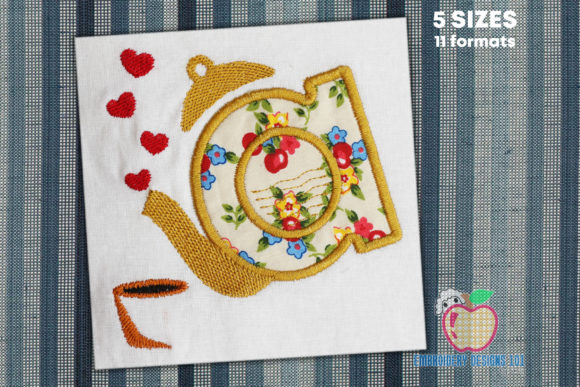
The title says it all — a teapot shape constructed entirely from alphabet letters, rendered as an applique pattern. No delicate sketchy outlines, no overly precious details. This is bold, almost architectural lettering that forms the familiar silhouette of a teapot. I immediately pictured it stitched on a linen tea towel in matte black thread against an oat-colored background. The mood can swing from modern farmhouse to playful classroom depending on fabric choice, which is exactly the kind of versatility a craft fair seller needs.
What I appreciate most is that the concept works at a glance. A customer walking by my table can decode the teapot shape and the alphabet twist in under two seconds. That quick read is critical when you’re competing with dozens of booths. The design feels smart without being intimidating, cute without veering into cutesy. For handmade shop owners targeting kitchen decor buyers — think tea lovers, book club hosts, retired teachers, or new homeowners — this hits a sweet spot.
Sizing and Hoop Compatibility: Real-World Versatility
The file includes five sizes, ranging from 4 inches to 8 inches, and it covers the most common hoop sizes used by small-batch embroiderers: 4×4, 5×7, 6×10, 8×8, and 8×12. That means I can test it on my single-needle machine without any hoop gymnastics. Having all those options built in lets me plan a coordinated product family — a small accent version for a zipper pouch, a medium for a towel, and the large 8-inch version for the center back of a denim apron.
I always check the stitch count and exact dimensions in the product details before I load the embroidery file. The listing does state that the detailed stitch count and sizing are visible on the product page, so I made sure to review those numbers. They guide my choice of stabilizer and thread. For the smaller 4-inch size, I’d reinforce with a cutaway stabilizer to prevent the applique from distorting on softer fabrics. For the 8-inch version on a structured tote bag, a tear-away backing keeps the finish crisp without adding stiffness.
Best Products for Tea Pot Made by Alphabet Applique
After running a few test stitch-outs, here’s where I see this digital embroidery file earning its keep on a craft fair table:
- Tea towel embroidery – The most obvious and effective home. A flour sack towel with a centered 6-inch teapot applique in a contrasting thread color — think navy on cream or rust on charcoal — becomes a giftable kitchen staple that sells consistently at $18–$24.
- Apron embroidery – Across the bib of a full apron or as a pocket detail on a half apron, the design adds a signature handmade quality. I’d lean toward a heavier canvas apron and the 8-inch file so the lettering remains crisp.
- Tote bag design – A natural canvas tote with this applique front and center. It appeals to farmers’ market shoppers and book lovers alike. The 8×8 or 8×12 hoop version fits the bag panel beautifully.
- Embroidered patch – The 4-inch size works as a sew-on or iron-on patch. Display these in a basket near the register. They’re impulse-buy gold, especially if I pre-stitch a few on kraft card backers.
- Small fabric pouches – Use the 4-inch or 5-inch size on a cotton canvas zip pouch. Customers love these for tea bag storage, pens, or makeup. Margins are healthy, and production time is fast.
- Pillow covers – A lumbar pillow cover with the design centered on a textured cotton-linen blend adds a cozy kitchen nook feel. I’d stitch it in a tonal thread for an elegant, subtle look.
Stitch-Out Observations and Technical Notes
Applique designs always demand a careful eye during the test run, and Tea Pot Made by Alphabet Applique is no exception. Because the teapot is built from individual letter shapes, the stitch density around each letter’s placement stitch and tack-down can vary. On my first attempt, I noticed the fabric edges wanted to peek out along the curves of letters like “O” and “P.” A quick scissor trim closer to the stitching line and a slightly denser satin border fixed it on the next pass. If you’re using a textured fabric like a waffle weave towel, I recommend a water-soluble topper to hold the nap down so the letters stay legible.
Thread color choice makes or breaks the design. On dark fabric, the letters need high-contrast thread; a dark teapot on black linen gets lost immediately. I tested it on a deep navy tea towel with cream applique cotton and ruby red topstitching — the result was stunning. On light fabrics, I’d avoid thread that’s too close to the background tone. Let the letters stand proud.
For the smallest 4-inch size, the tiny cutwork within letters like “A” and “e” can close up if your machine tension pulls too tight. I’d run a slow-speed test and check each letter’s interior negative space. If it looks muddy, I’ll shift up to the 5-inch size for patch production. The 6-inch and larger sizes were much more forgiving on my home machine.
How It Photographs and Sells Online
One of my non-negotiable tests is whether a design photographs well for Etsy listings and social media. Tea Pot Made by Alphabet Applique passes that test with room to spare. The typographic nature of the applique creates immediate visual texture. I styled my test stitch-out on a folded linen towel with a vintage teacup and a sprig of eucalyptus — the shot read as both cozy and clever. For an Etsy seller or small shop product, that’s the kind of image that earns saves and shares.
If you sell digital asset bundles that include printable mockup files, this design looks equally strong in a flat-lay styled product photo. I dropped the embroidery file into a mockup of a kraft tote and a ceramic mug-hug tea cozy, and both felt authentic. The alphabet motif also gives you a natural angle for product description copy: you can lead with keywords like “literary kitchen decor,” “teacher gift tea towel,” or “typography teapot embroidery.” That kind of niche SEO matters.
Booth Display Tactics That Work
I plan my craft fair tables like a retail window. With Tea Pot Made by Alphabet Applique, I’d group multiple finished products in a dedicated kitchen corner. A tiered stand holding three tea towels, a wooden crate of mini pouches, and a hanging apron at eye level. The repetition of the teapot motif across different products signals brand consistency and gives buyers a reason to pick up more than one item. I’d also keep a small sign that reads “Embroidered right here in my studio” — it invites conversation and reinforces the handmade value.
For an extra touch, consider stitching the design on a sample market bag and filling it with a box of loose-leaf tea. It’s a $30 gift bundle that sells out faster than I can make them. The product itself becomes the packaging.
Potential Pitfalls and How to Avoid Them
No design is perfect out of the gate. Here’s what I watch carefully when turning this into finished product:
- Small lettering at 4 inches: The accessibility of the alphabet detail can suffer. Always do a test stitch at the smallest size before committing to a batch. If letters look cramped, stick with 5 inches and up.
- Curved cap surfaces: I wouldn’t recommend this for baseball caps unless you use the 4-inch version and a mighty good cap hoop. The teapot’s taller proportion can warp over the center seam. It’s safer on flat panels like tote fronts or flat aprons.
- Thick or highly textured towels: The letter edges can blur. A medium-weight, smooth-weave cotton or linen-blend tea towel is your best foundation. A low-lint lint roller before hooping helps, too.
- Dense stitch areas: The tack-down and satin stitches around each letter add up. Use a fresh sharp needle (75/11 or 80/12) and slow your machine speed to avoid needle deflection, which can misalign letters.
- Licensing checks: Before I sell anything made with this commercial embroidery file, I verified that the listing includes commercial use terms. The description didn’t spell it out fully, so I reached out to the designer. Always confirm you have permission to sell physical items created from the design. That quick email can save your shop a headache.
Production Efficiency and Repeatability
Because this is an applique design, once you’ve dialed in your thread colors and fabric choices, the stitch-out becomes a reliable rhythm. I cut all my applique cotton pieces from a single fat quarter for consistency. Each teapot takes about the same amount of fabric — an oval of pre-washed cotton — so I batch-prep six at a time. With the largest 8-inch version, my total hoop time runs just under twenty minutes. That’s manageable for a weekend production sprint.
The repetition also makes it easy to train helpers if you have a studio assistant. I keep a swatch card with the exact brand and color number of thread, the stabilizer type, and the hoop size written down. That attention to repeatability is what separates a chaotic pre-show scramble from a calm, stocked craft fair product lineup.
Final Verdict: A Smart Addition for Kitchen Embellishment Sellers
Tea Pot Made by Alphabet Applique isn’t just another decorative motif — it functions as a low-key conversation starter. It appeals to anyone who appreciates wordplay, tea rituals, or handmade kitchen decor. For my booth, it fills a gap I hadn’t realized existed: a design that feels equally at home in a farmhouse kitchen and a modern apartment, that photographs vividly, and that stitches out with enough presence to anchor a product display.
I’ve added it to my permanent rotation for spring and fall markets. I plan to offer it on tea towels, aprons, and limited-run linen pillow covers. The five included sizes mean I can reconfigure the look across my entire handmade product table without hunting through multiple embroidery file formats. If you’re an embroidery business owner, an Etsy maker, or a weekend market regular who loves designs with wit and warmth, this teapot is worth the test stitch. Just remember: give those letters breathing room, choose your contrast wisely, and always, always run a full sample on the exact fabric you plan to sell on.